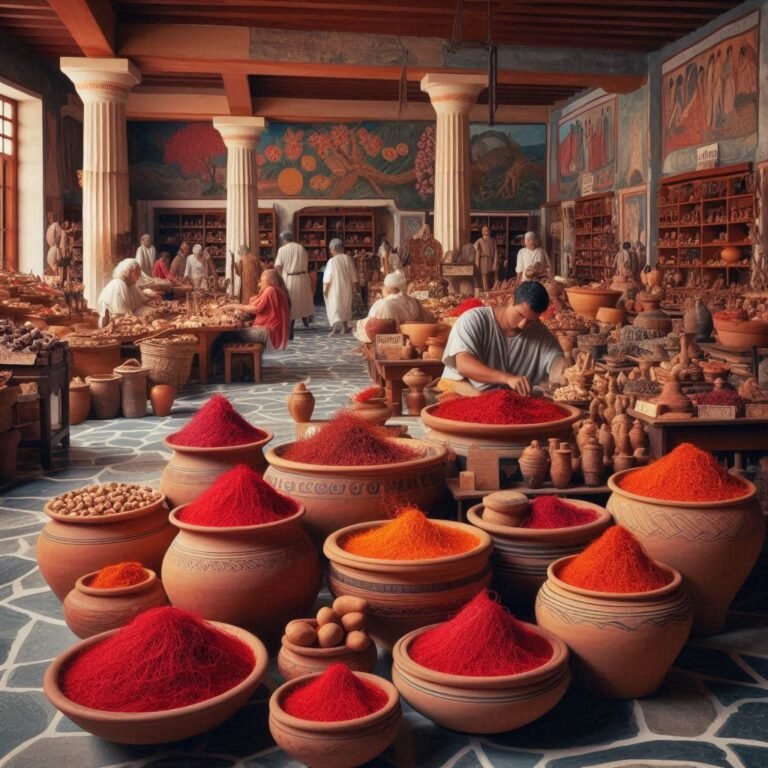
Saffron's Humble Beginnings
Archaeological evidence suggests saffron cultivation starts in the Minoan civilization on the island of Crete, marking the earliest known use of this precious spice.




Archaeological evidence suggests saffron cultivation starts in the Minoan civilization on the island of Crete, marking the earliest known use of this precious spice.

Phoenician traders establish trade routes across the Mediterranean, bringing saffron to Greece and Rome, introducing its unique flavor and properties to new cultures.
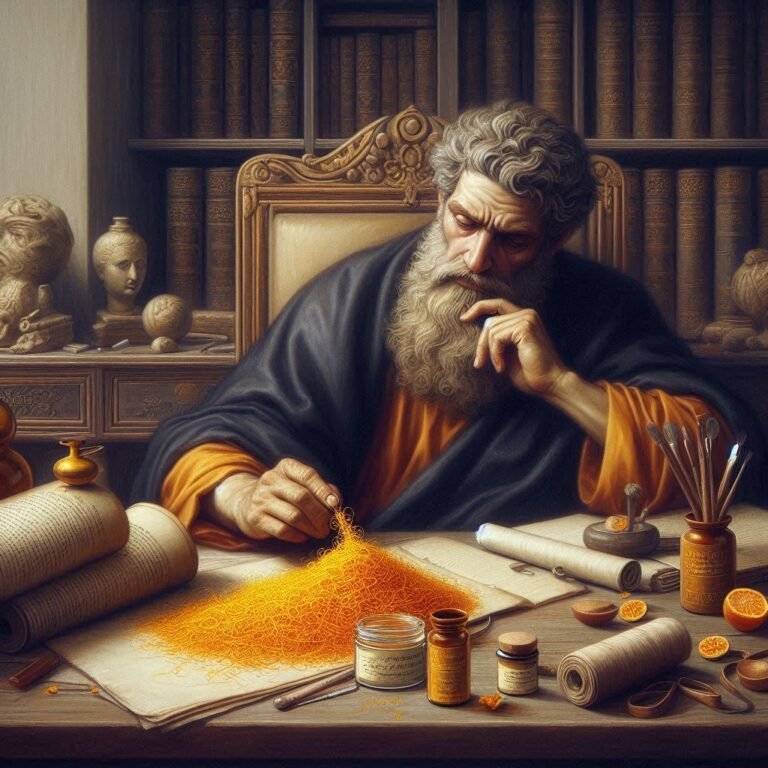
The renowned Greek physician Hippocrates mentions saffron's medicinal properties in his writings, highlighting its potential health benefits beyond culinary uses.
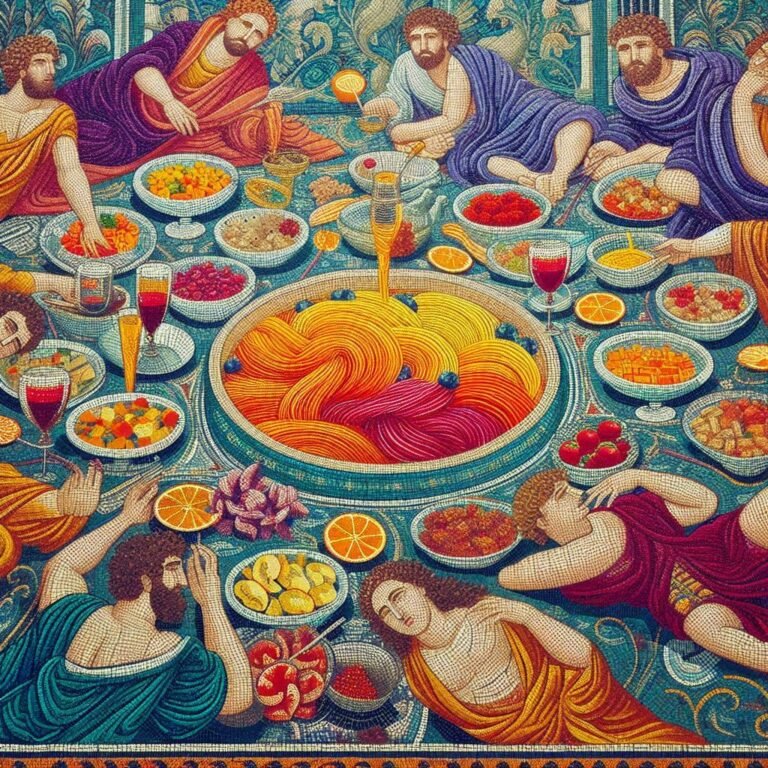
Saffron becomes a prized commodity in the Roman Empire, valued for its flavoring and coloring abilities in food, as well as its perceived medicinal properties.
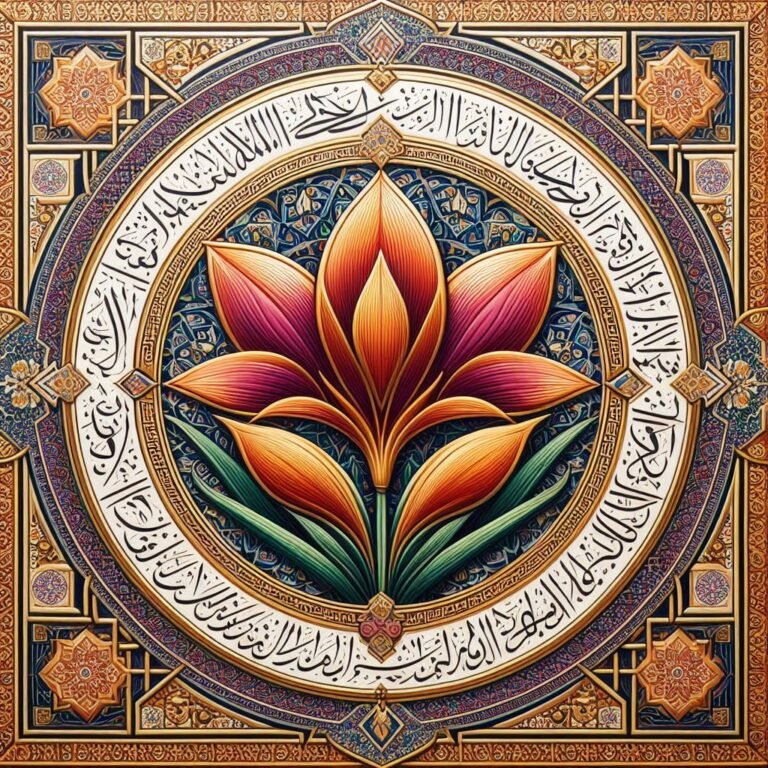
Saffron flourishes in the Islamic world, playing a significant role in cuisine, medicine, and even textile dyeing. Islamic scholars further document its uses and contribute to its appreciation.
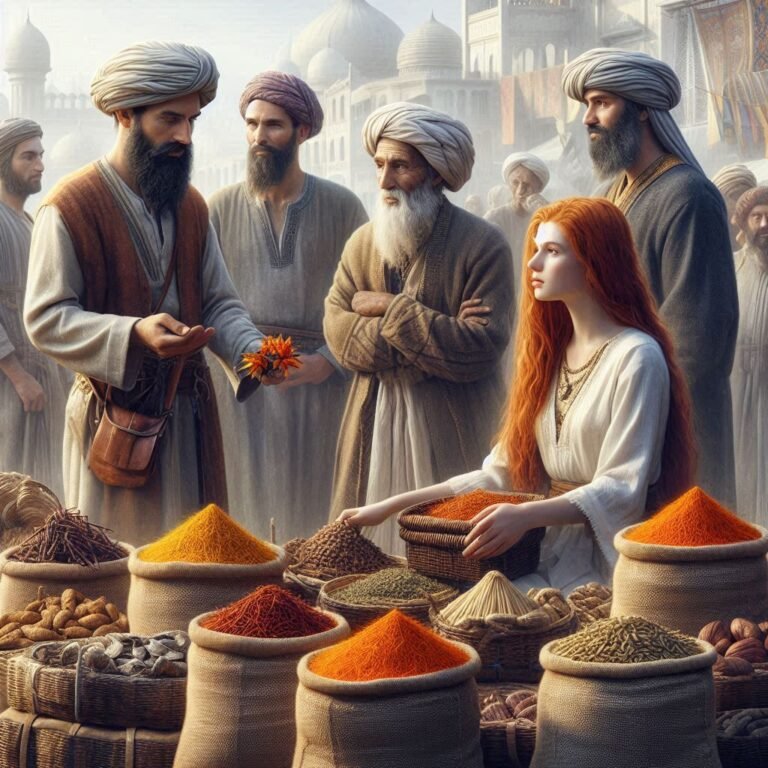
The spice trade flourishes, making saffron a highly sought-after and expensive commodity in Europe. Its rarity and unique properties contribute to its mystique and value.
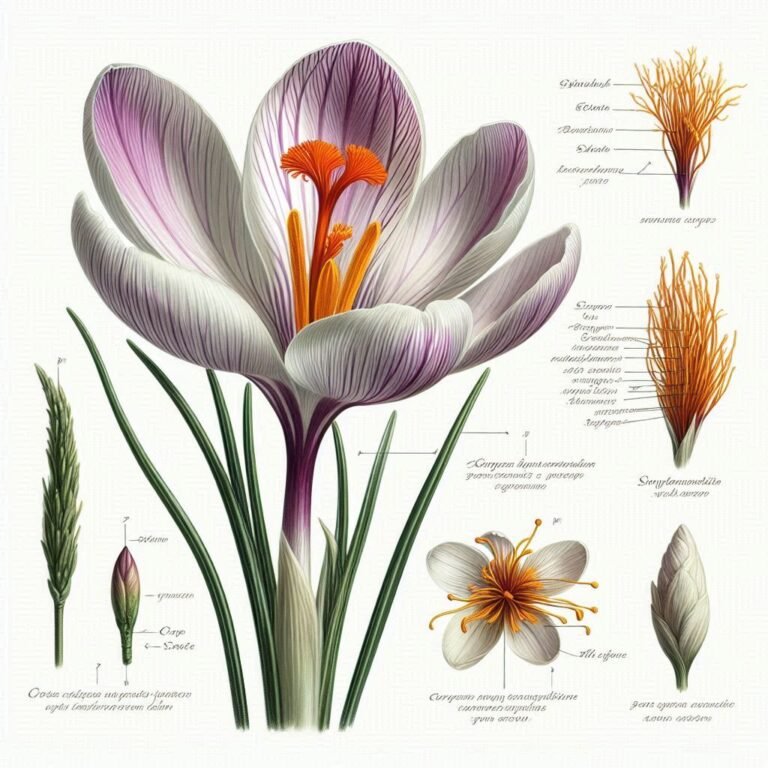
Saffron cultivation attempts increase in Europe, but concerns about adulteration and maintaining quality become prevalent during this period.

Continued cultivation and research focus on improving saffron quality, production methods, and understanding its potential health benefits in the modern era.